
Exploring the connection between energy, emotions and wellbeing
Esoteric Acupuncture is a specialised approach developed by Dr Mikio Sankey, combining traditional acupuncture principles with sacred geometry, the chakra energy system and concepts of consciousness and personal growth.
Also known as Transformational Acupuncture, this approach focuses on harmonising the body’s energetic patterns, encouraging greater self-awareness, emotional balance and a deeper connection with yourself.
Tania trained directly with Dr Sankey in 2010, completing the first two levels of Esoteric Acupuncture training, and has incorporated these techniques into her clinical practice ever since. Esoteric Acupuncture Level 1 Esoteric Acupuncture Level 2.
How Tania Uses Esoteric Acupuncture
Tania may draw on Esoteric Acupuncture when working with emotional wellbeing, stress, grief and significant life transitions.
Her approach focuses primarily on grounding and harmonising the flow of energy, helping to cultivate a sense of calm, stability and connection with yourself. She may also work with balancing the chakras, exploring energetic and emotional patterns to encourage greater self-awareness and inner balance.
Treatment patterns are selected according to each person’s individual needs, rather than following a fixed protocol.
For those interested in exploring the energetic and spiritual dimensions of this approach more deeply, dedicated Esoteric Acupuncture treatments are also available on request.
The Chakra System
The seven chakras are traditionally understood as energy centres associated with different aspects of our physical, emotional and spiritual lives. In Esoteric Acupuncture, they provide a framework for exploring energetic patterns, self-awareness and personal growth.
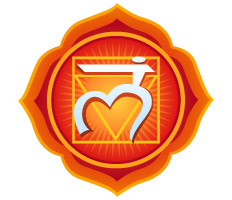 Base Chakra (I AM) represents our foundations: safety, security, belonging and our connection with the Earth. It is associated with our survival instincts, family relationships and the need to feel grounded and supported. When balanced, it symbolises stability, confidence and a sense of belonging. Imbalance may be experienced as insecurity, fear or difficulty letting go of the past. From a Chinese medicine perspective, the Base Chakra connects with all Five Elements: Metal through attachment and letting go; Water through survival instincts and reproduction; Wood through family, belonging and our roots; Fire through sexuality and sensuality; and Earth through grounding, stability and security.
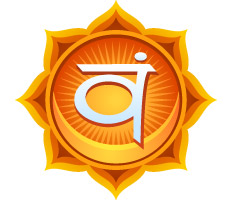 Sacral Chakra (I FEEL) relates to relationships, balancing masculine and feminine energies, emotional needs, creativity and reproduction. When balanced, it supports enthusiasm for life, mental clarity, memory and the confidence to move forward. Imbalance may manifest as fear, insecurity or difficulty pursuing our goals. It is also associated with personal power, willpower, fame, money and financial security. In some energetic traditions, chronic lower back problems are symbolically linked with financial worries and feelings of insecurity. In Chinese medicine, these themes connect with the Water Element, particularly reproduction, fertility and Zhi (willpower) — our capacity to create new life, whether that means having a baby or building a fulfilling life for ourselves.
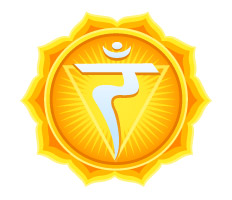 Solar Plexus Chakra (I DO) relates to personal power, confidence, purpose and direction in life. When balanced, it supports motivation, clear decision-making, flexibility and personal growth. Imbalance may manifest as anxiety, oversensitivity, anger, irritability, indecision or procrastination. From a Chinese medicine perspective, it connects with the Earth and Wood Elements. Earth (Yi) governs digestion, nourishment and our ability to process both food and life experiences. Excessive worry may affect digestion and contribute to fatigue. Wood (Hun) relates to vision, direction, growth and flexibility. Imbalances may be reflected in physical stiffness, stubbornness, frustration or difficulty moving forward. Together, these elements reflect our ability to transform nourishment into energy, navigate life’s challenges and pursue our goals.
 Heart Chakra (I LOVE) is the balance point of the chakra system, representing love, compassion, empathy, understanding and forgiveness. Learning to love ourselves is an important first step towards accepting others and building meaningful relationships. When balanced, it encourages emotional openness, connection and communication. Imbalance may manifest as bitterness, resentment, difficulty forgiving or withdrawing from others. From a Chinese medicine perspective, the Heart Chakra connects with the Fire Element and Shen (Spirit), which relate to consciousness, emotional wellbeing, joy and our capacity to connect with others. The Heart Chakra is also traditionally associated with the thymus gland, which plays an important role in immune function. As a simple self-care practice, lightly tap your sternum with your last three fingers before meditation or sleep to encourage a sense of calm and connection.
 Throat Chakra (I SPEAK) represents communication, self-expression, truth and integrity. Fear of ridicule, rejection or abandonment can make it difficult to speak openly and confidently. When balanced, it supports authentic communication, independence, career development and a sense of recognition. Imbalance may manifest as difficulty expressing ourselves, lack of confidence or feeling unheard. From a Chinese medicine perspective, the Throat Chakra connects with the Metal Element and Po (Corporeal Soul), associated with the Lungs, grief, sadness and our instinctive responses to the world. Are you yearning to speak out but struggling to find your voice? The Throat Chakra is also traditionally associated with the thyroid gland, which regulates metabolism and plays an important role in growth and development. Respiratory and thyroid conditions have complex medical causes, although they may carry personal emotional significance.
 Brow Chakra (I SEE) represents intuition, imagination, perception and our connection with the unseen. It relates to trusting our inner guidance, seeing beyond the obvious and understanding our purpose within the greater whole. When balanced, it supports clarity, insight, comprehension and a sense of direction. Imbalance may be experienced as confusion, difficulty concentrating or feeling disconnected from our intuition. Headaches, sinus problems and disturbances of vision or hearing are also traditionally associated with this chakra. From a Chinese medicine perspective, the Brow Chakra connects with the Wood Element and Hun (Ethereal Soul). The Liver is associated with the eyes, while Hun relates to imagination, vision, planning, strategising and our sense of purpose. The Brow Chakra is also traditionally linked with the pineal gland, which produces melatonin, a hormone involved in regulating our sleep-wake cycle.
 Crown Chakra (I UNDERSTAND) represents our connection with higher spiritual awareness, pure consciousness and inner wisdom. It is associated with meditation, universal consciousness, unity, humility and spiritual maturity. When balanced, it symbolises inner peace, clarity, wisdom and a sense of connection with something greater than ourselves. Imbalance may be experienced as confusion, disconnection, lack of purpose or difficulty finding meaning in life.The Crown Chakra is traditionally associated with the pituitary gland, which regulates important hormonal functions through its connections with the hypothalamus. The thalamus also plays a role in awareness and consciousness. Headaches, scalp problems and neurological disturbances are sometimes symbolically associated with this chakra. From a Chinese medicine perspective, the Crown Chakra connects with all Five Elements and their virtues: Metal (integrity), Water (wisdom), Wood (benevolence), Fire (love) and Earth (trust).